
How Cement Quality Affects Structural Load-Bearing Capacity
17.03.2026
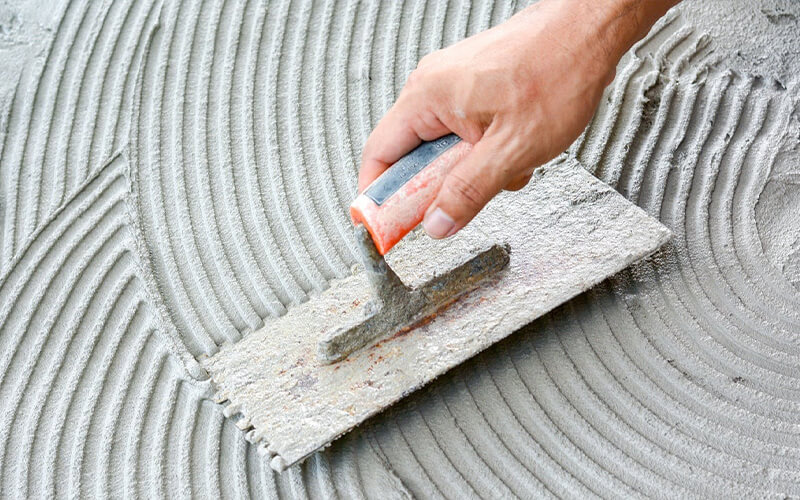
When it comes to constructing safe and durable buildings, one of the most critical factors is the quality of cement used. Cement is the primary binding material that holds all structural components together, and its performance directly influences how much load a structure can تحمل over time. Whether it is a residential building, industrial facility, or large-scale infrastructure project, the strength and reliability of cement play a decisive role in determining the overall load-bearing capacity.
Understanding how cement quality impacts structural performance is essential for engineers, contractors, and decision-makers. Poor-quality cement can lead to early deterioration, cracks, and even structural failure, while high-quality cement ensures long-term durability and safety. In this article, we will explore the key aspects of cement quality and how they directly affect the load-bearing capacity of structures.
What Defines Cement Quality?
Cement quality is determined by several factors, including its chemical composition, fineness, setting time, and strength development. High-quality cement is manufactured under strict quality control processes to ensure consistent performance. These characteristics directly influence how well the cement binds with aggregates and how strong the final concrete structure becomes.
Consistency is another important aspect of cement quality. Even minor variations in production can result in significant differences in performance. This is why reputable manufacturers invest heavily in testing and standardization to ensure each batch meets required specifications.
Compressive Strength and Load-Bearing Capacity
The compressive strength of cement is one of the most critical factors affecting structural load-bearing capacity. Concrete structures are primarily designed to تحمل compressive forces, and the strength of cement directly impacts how much load a structure can support without failure. High-quality cement contributes to higher compressive strength, enabling structures to تحمل heavier loads safely.
Low-quality cement, on the other hand, may result in weak concrete that cannot sustain expected loads. This can lead to cracks, deformation, and eventually structural collapse. Therefore, selecting cement with proven strength performance is essential for ensuring safety and durability.
Bonding Ability and Structural Integrity
Cement acts as the glue that binds aggregates such as sand and gravel together. The bonding ability of cement significantly affects the internal cohesion of concrete. High-quality cement ensures strong adhesion between particles, creating a dense and compact structure capable of تحمل high loads.
Weak bonding caused by poor-quality cement leads to internal voids and कमजोर zones within the concrete. These weaknesses reduce the structure’s ability to distribute loads evenly, increasing the risk of localized failure under stress.
Durability and Long-Term Load Performance
Load-bearing capacity is not only about immediate strength but also about long-term performance. High-quality cement enhances durability by resisting environmental factors such as moisture, temperature changes, and chemical exposure. This ensures that the structure maintains its load-bearing capacity over time.
Structures built with inferior cement may initially appear stable but can lose strength as environmental عوامل cause deterioration. Over time, this reduces the load-bearing capacity and increases maintenance costs.
Setting Time and Structural Stability
The setting time of cement plays a crucial role in construction and structural stability. Proper setting allows the cement to harden at an optimal rate, ensuring uniform strength development throughout the structure. High-quality cement provides balanced setting times that support proper curing and load distribution.
If cement sets too quickly or too slowly, it can compromise structural integrity. Rapid setting may prevent proper compaction, while slow setting can delay strength development, both of which negatively impact load-bearing capacity.
Resistance to Cracking and Structural Safety
Cracks are one of the biggest threats to structural performance. High-quality cement reduces the likelihood of cracking by providing better مقاومت against shrinkage and thermal stress. This ensures that the structure remains intact and capable of تحمل design loads.
Poor-quality cement increases the risk of microcracks, which can grow over time and weaken the structure. These cracks allow water and harmful substances to penetrate, further reducing strength and load-bearing capacity.
Workability and Construction Quality
Workability refers to how easy it is to mix, place, and compact concrete. High-quality cement improves workability, allowing for proper placement and compaction. This results in a dense and uniform structure with higher load-bearing capacity.
Low-quality cement often leads to poor workability, जिससे improper compaction and air gaps occur. These imperfections weaken the structure and reduce its ability to تحمل loads effectively.
Quality Control and Testing Standards
Reliable cement manufacturers follow strict quality control measures and testing standards to ensure consistent performance. Tests such as compressive strength testing, fineness analysis, and chemical composition checks help verify the quality of cement before it is used in construction.
Using cement that meets international standards ensures that the structure will perform as expected under load conditions. Skipping these checks or using uncertified cement can result in unpredictable performance and safety risks.
Conclusion
The quality of cement is a fundamental factor that directly influences the load-bearing capacity of any structure. From compressive strength and bonding ability to durability and resistance to cracking, every aspect of cement quality contributes to the overall performance of a building.
Choosing high-quality cement is not just a technical decision but a critical investment in safety, longevity, and structural reliability. By prioritizing quality at the material level, engineers and builders can ensure that structures remain strong, stable, and capable of تحمل loads for many years to come.