
How Cement Quality Directly Affects Construction Project Success
16.12.2025
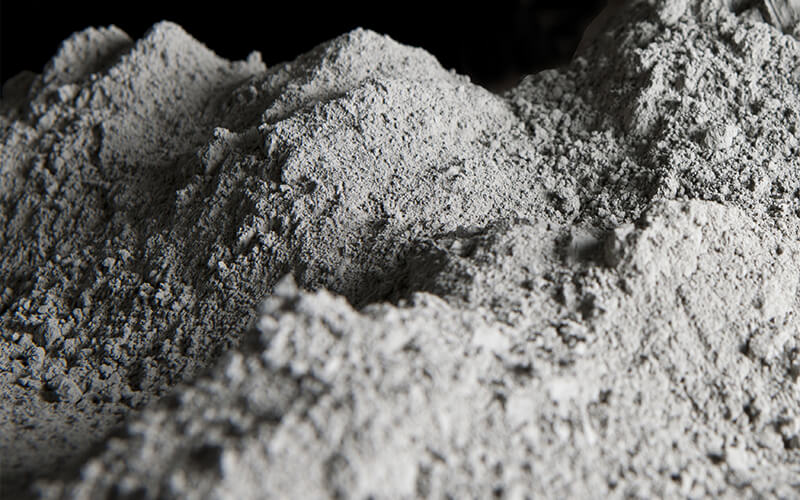
In modern construction projects, success is measured by durability, safety, cost efficiency, and long-term performance. While design, engineering, and workmanship all play important roles, one fundamental factor stands above many others: the quality of cement. Cement is the backbone of concrete, and concrete is the backbone of most construction projects. From residential buildings to large-scale infrastructure, the quality of cement directly influences how a structure performs over time.
Choosing high-quality cement is not just a technical decision; it is a strategic one that affects timelines, budgets, and reputations. Poor cement quality can lead to structural weaknesses, costly repairs, delays, and even safety risks. On the other hand, consistent and reliable cement quality supports smoother construction processes, predictable outcomes, and long-lasting structures.
The Role of Cement in Structural Integrity
Cement acts as the binding agent that holds aggregates together in concrete. Its chemical composition and fineness determine how well concrete gains strength and resists external forces. High-quality cement ensures that concrete achieves the required compressive strength, which is essential for supporting loads safely throughout the structure’s lifespan.
When cement quality is inconsistent, concrete may fail to reach its designed strength. This can result in cracks, deformation, or reduced load-bearing capacity. Over time, these issues compromise structural integrity and increase the risk of failure, especially in high-rise buildings, bridges, and industrial facilities.
Impact on Construction Timelines
Construction schedules are closely tied to concrete setting and curing times. Quality cement provides predictable hydration behavior, allowing contractors to plan formwork removal, post-tensioning, and subsequent construction phases with confidence. This predictability is crucial for keeping projects on track.
Low-quality cement, however, can cause unexpected delays. Slow strength development may require longer curing periods, while inconsistent performance may force rework or additional testing. These disruptions not only delay project completion but also increase labor and equipment costs.
Cost Efficiency and Budget Control
At first glance, lower-quality cement may seem like a cost-saving option. In reality, it often leads to higher overall expenses. Inferior cement can require higher cement content to achieve the same strength, increasing material consumption and transportation costs.
Additionally, repairs caused by poor concrete performance significantly impact budgets. Cracks, surface defects, and early deterioration require maintenance and remedial work that could have been avoided with better cement quality. High-quality cement helps contractors control costs by reducing waste, minimizing rework, and extending the service life of structures.
Durability and Long-Term Performance
Durability is one of the most critical indicators of construction project success. Cement quality plays a major role in how concrete resists environmental factors such as moisture, temperature changes, chemicals, and mechanical wear. Well-produced cement contributes to dense, low-permeability concrete that protects reinforcement from corrosion.
In aggressive environments, such as coastal areas or industrial zones, poor cement quality accelerates deterioration. Sulfate attack, carbonation, and chloride penetration can significantly shorten the lifespan of structures. High-quality cement formulations help mitigate these risks, ensuring long-term performance and lower lifecycle costs.
Workability and On-Site Efficiency
Workability is essential for efficient concrete placement, compaction, and finishing. Cement quality affects particle size distribution and hydration characteristics, which directly influence how concrete behaves on-site. Consistent cement allows for smoother mixing, easier pumping, and better surface finishes.
When cement quality fluctuates, workers may struggle with overly stiff or overly fluid mixes. This not only slows down construction but also increases the likelihood of defects such as honeycombing or segregation. Reliable cement quality supports faster workflows and higher-quality workmanship.
Quality Control and Compliance
Construction projects must comply with national and international standards to ensure safety and reliability. High-quality cement is produced under strict quality control processes, ensuring consistent chemical composition and performance. This consistency simplifies compliance with building codes and technical specifications.
Using low-quality cement increases the risk of failed tests and non-compliance issues. Additional inspections, testing, and corrective actions can delay approvals and strain relationships with clients and regulatory bodies. Quality cement helps maintain confidence among all project stakeholders.
Sustainability and Environmental Responsibility
Today’s construction industry places increasing emphasis on sustainability. Cement quality directly affects the environmental footprint of a project. Efficient cement production and optimized performance allow for lower cement content in concrete mixes without sacrificing strength or durability.
High-quality cement supports sustainable construction by reducing material usage, minimizing waste, and extending the lifespan of structures. Longer-lasting buildings mean fewer resources are needed for repairs or replacements, contributing to lower overall environmental impact.
Risk Management and Project Reputation
Every construction project carries risks, and material performance is one of the most critical factors. Cement quality directly influences structural safety, durability, and reliability. Using dependable cement reduces technical risks and provides peace of mind to contractors, engineers, and investors.
Project success is also closely tied to reputation. Structures that perform well over time enhance the credibility of construction companies and developers. Conversely, failures linked to poor material choices can damage reputations and lead to legal and financial consequences.
Conclusion: Cement Quality as a Strategic Advantage
Cement quality is far more than a technical specification; it is a strategic asset in construction project success. From structural integrity and cost control to durability and sustainability, the effects of cement quality are felt at every stage of a project’s lifecycle.
By prioritizing high-quality cement, construction professionals can achieve more predictable outcomes, reduce risks, and deliver projects that stand the test of time. In a competitive and demanding industry, cement quality is not an option—it is a foundation for long-term success.