
How Cement Quality Enhances Structural Load-Bearing Performance
24.03.2026
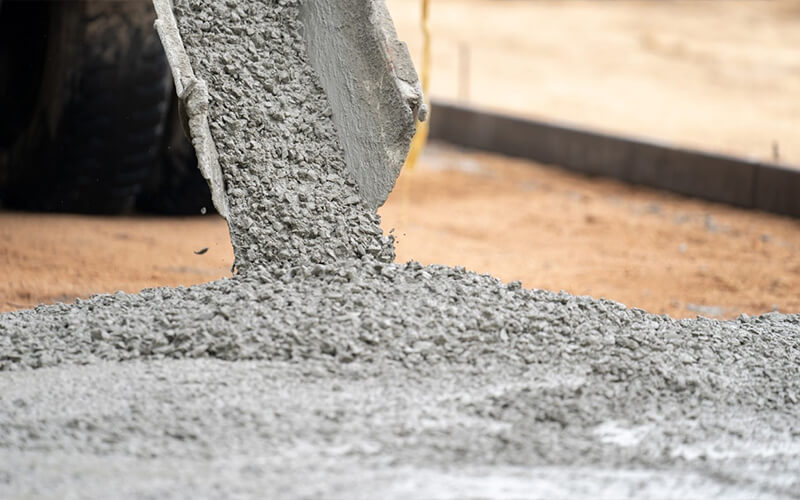
Structural load-bearing performance is one of the most critical aspects of any construction project. Buildings, bridges, industrial facilities, and infrastructure systems are designed to safely carry loads over long periods without failure. While structural design and engineering calculations provide the blueprint, the actual performance of these structures depends heavily on the quality of materials used—especially cement. Cement is the core binding component of concrete, and its quality directly determines how effectively loads are transferred and supported within a structure.
High-quality cement contributes to consistent strength development, improved durability, and reliable performance under stress. Conversely, poor cement quality can lead to weak concrete, uneven load distribution, and increased risk of structural defects. Understanding how cement quality enhances load-bearing capacity is essential for achieving safe and long-lasting construction outcomes.
The Role of Cement in Load Transfer
Cement binds aggregates together to form concrete, creating a solid mass capable of carrying structural loads. The strength and integrity of this bond are directly influenced by cement quality. High-quality cement ensures strong adhesion between particles, allowing loads to be distributed evenly across the structure.
When cement quality is inconsistent, the bond between aggregates weakens. This results in localized stress concentrations that can lead to cracking or failure under load. Reliable cement quality supports uniform load transfer and enhances structural stability.
Compressive Strength Development
Compressive strength is the primary measure of concrete’s load-bearing capacity. Cement quality plays a central role in how quickly and effectively concrete gains strength during hydration. High-quality cement supports predictable and consistent strength development from early stages to long-term performance.
Concrete made with inferior cement may fail to reach its design strength, even if other components are properly proportioned. This shortfall reduces the structure’s ability to safely carry loads and increases the risk of deformation or collapse under stress.
Uniformity and Consistency Across Structural Elements
Large structures consist of multiple concrete pours, often completed over extended periods. Cement quality must remain consistent across all batches to ensure uniform performance throughout the structure. Variations in cement properties can lead to uneven strength distribution.
Inconsistent strength creates weak zones that may not be immediately visible but can compromise load-bearing performance over time. Using consistent, high-quality cement helps maintain uniform structural behavior across all elements.
Reduction of Cracking Under Load
Cracking is one of the main threats to load-bearing performance. Cement quality influences the concrete’s ability to resist tensile stresses and control crack formation. High-quality cement supports controlled hydration and reduces internal stresses that lead to cracking.
Fewer cracks mean better load distribution and reduced pathways for moisture and chemicals. This not only improves structural strength but also enhances long-term durability under repeated loading conditions.
Improved Bond With Reinforcement
In reinforced concrete structures, the interaction between concrete and steel reinforcement is essential for load-bearing performance. Cement quality affects the density and strength of the concrete matrix surrounding the reinforcement.
High-quality cement creates a strong bond between concrete and steel, ensuring effective load transfer between materials. This interaction allows structures to handle both compressive and tensile forces efficiently.
Resistance to Long-Term Deformation
Load-bearing structures are subject to long-term stresses that can cause deformation over time. Cement quality influences creep and shrinkage behavior, which affect how concrete responds to sustained loads.
Concrete made with high-quality cement shows better resistance to long-term deformation. This stability helps maintain structural alignment and prevents issues such as excessive deflection or sagging.
Durability Under Repeated and Dynamic Loads
Structures are often exposed to repeated or dynamic loads, such as traffic, machinery, or environmental forces. Cement quality contributes to the ability of concrete to withstand these stresses without fatigue or deterioration.
Durable concrete maintains its load-bearing capacity even under continuous or fluctuating loads. This is particularly important in infrastructure projects where performance reliability is critical.
Low Permeability for Structural Protection
Permeability affects how external elements such as water and chemicals interact with concrete. High-quality cement contributes to a dense microstructure that limits permeability and protects internal components.
Reduced permeability helps prevent reinforcement corrosion and internal damage, both of which can weaken load-bearing capacity. Protecting the internal structure ensures that concrete maintains its strength over time.
Enhanced Performance in Extreme Conditions
Load-bearing structures often face extreme conditions such as high temperatures, freezing cycles, or chemical exposure. Cement quality determines how well concrete performs under these stresses.
High-quality cement supports stability and strength retention in challenging environments. This ensures that structures continue to perform safely even under adverse conditions.
Quality Control and Predictability
Predictability is essential in structural engineering. Cement quality ensures that concrete behaves as expected during both construction and service life. Reliable performance allows engineers and contractors to confidently design and execute load-bearing systems.
Inconsistent cement introduces uncertainty, making it difficult to achieve design targets. High-quality cement reduces variability and supports accurate structural performance.
Lifecycle Performance and Maintenance Reduction
Structures built with high-quality cement require less maintenance over time. Stronger, more durable concrete resists wear, environmental damage, and structural degradation, preserving load-bearing capacity.
Reduced maintenance needs translate into lower lifecycle costs and improved operational efficiency. Long-term performance is a direct benefit of investing in quality cement from the beginning.
Conclusion: Cement Quality as the Foundation of Structural Strength
Cement quality is a fundamental factor in enhancing structural load-bearing performance. From strength development and crack resistance to durability and long-term stability, cement influences every aspect of how a structure handles loads.
By prioritizing high-quality cement and maintaining strict quality control, construction professionals can ensure safe, reliable, and long-lasting structures. Cement is not just a material—it is the foundation of structural performance and engineering success.