
How High-Strength Cement Improves Modern Construction Projects
04.11.2025
Introduction: Building the Future with Superior Materials
As modern architecture evolves toward taller, stronger, and more efficient structures, the demand for advanced materials continues to rise. High-strength cement has become a cornerstone of this progress, offering exceptional performance in both structural and economic terms. Its superior load-bearing capacity, durability, and design flexibility make it an ideal choice for contemporary construction projects ranging from skyscrapers to large-scale infrastructure.
1. What Defines High-Strength Cement
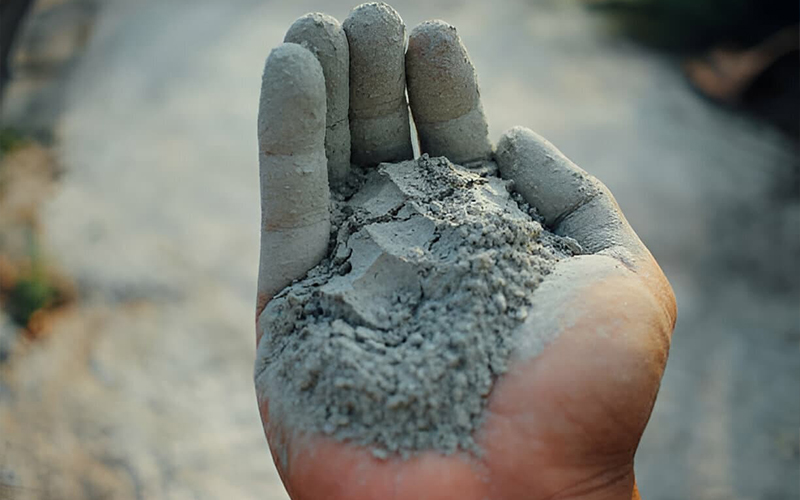
High-strength cement is formulated to deliver compressive strengths significantly higher than traditional Ordinary Portland Cement (OPC). Its fine particle size, optimized chemical composition, and low water-to-cement ratio allow it to achieve strength levels above 60 MPa. This advanced formulation enhances not only the material’s mechanical properties but also its long-term structural performance.
2. Supporting Taller and Heavier Structures
Modern skyscrapers and bridges require materials capable of withstanding immense vertical and lateral loads. High-strength cement provides the structural stability needed for tall buildings and long-span bridges. Its enhanced compressive strength allows for slimmer columns and beams, freeing up interior space and reducing the overall weight of the structure.
3. Improving Durability and Longevity
Durability is one of the most important benefits of using high-strength cement. Its dense microstructure resists water penetration, chemical attacks, and freeze-thaw cycles. This ensures that buildings and infrastructure last longer, require fewer repairs, and maintain structural integrity even under harsh environmental conditions.
4. Reducing Material and Labor Costs
While high-strength cement may cost more initially, it delivers savings over the course of a project. Because it requires smaller quantities to achieve the same or greater strength, overall material consumption is reduced. Its superior performance also shortens construction cycles, minimizing labor time and associated costs.
5. Enabling Modern Design Flexibility
Architects and engineers can achieve more innovative designs using high-strength cement. Its superior strength allows for thinner walls, longer spans, and complex geometries that would be difficult to execute with standard materials. This flexibility supports the aesthetic and functional goals of modern architecture without compromising safety.
6. Enhanced Resistance to Environmental Stress
High-strength cement performs exceptionally well in environments exposed to chemicals, salts, and moisture. Its low permeability prevents chloride ingress and corrosion in reinforced structures. This makes it ideal for coastal bridges, industrial facilities, and wastewater treatment plants where environmental resistance is critical.
7. Faster Construction Timelines
High-strength cement reaches its target strength faster than conventional cement. This early strength development enables quicker formwork removal, faster assembly, and shorter curing periods. Contractors benefit from improved scheduling flexibility and reduced downtime, making it perfect for projects with tight deadlines.
8. Improving Seismic and Structural Safety
In earthquake-prone areas, structural safety depends on materials that can absorb energy and resist cracking under stress. High-strength cement enhances both stiffness and ductility, improving a building’s ability to withstand seismic forces. It provides higher resistance to deformation, protecting structures from collapse during ground movement.
9. Sustainability and Lifecycle Efficiency
High-strength cement contributes to sustainability by increasing the service life of structures and reducing the need for frequent repairs or replacements. The reduced material usage lowers the environmental footprint of construction. When combined with supplementary materials like fly ash or slag, it supports greener, more efficient building practices.
10. Ideal Applications Across Industries
High-strength cement is used in a wide range of projects, including high-rise buildings, bridges, dams, industrial plants, and precast components. Its ability to deliver exceptional performance in both vertical and horizontal structures makes it a versatile choice for engineers aiming for quality and efficiency in construction.
Conclusion
High-strength cement represents a major advancement in modern construction technology. It enhances performance, reduces costs, and enables more creative and sustainable architectural designs. By incorporating this material into their projects, contractors and engineers can build structures that are not only stronger and longer-lasting but also aligned with the evolving demands of modern infrastructure and design innovation.